If you work like a robot, a robot will take your job – and if you learn like a robot, you will end up working for them.
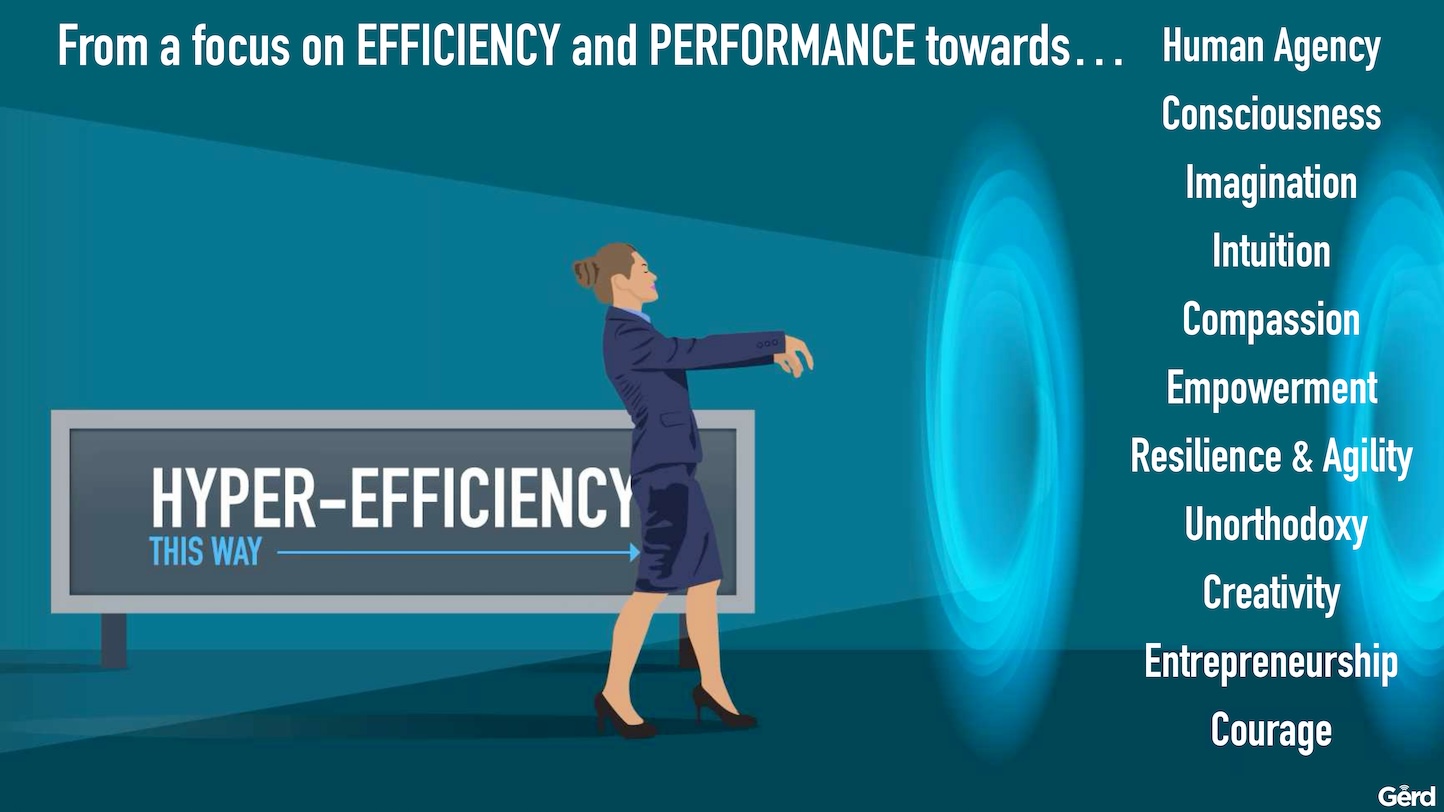
I sometimes look back at my own journey. I studied at the University of Bonn in the early 80s, and then went to the Berklee College of Music in Boston. My biggest complaint about my own education is that it taught me that if I only studied hard, I would be successful. It taught me to function.. a bit like a machine for the sake of efficiency and optimization. But today, a career is not about functioning; it is about creation and invention, and purpose.
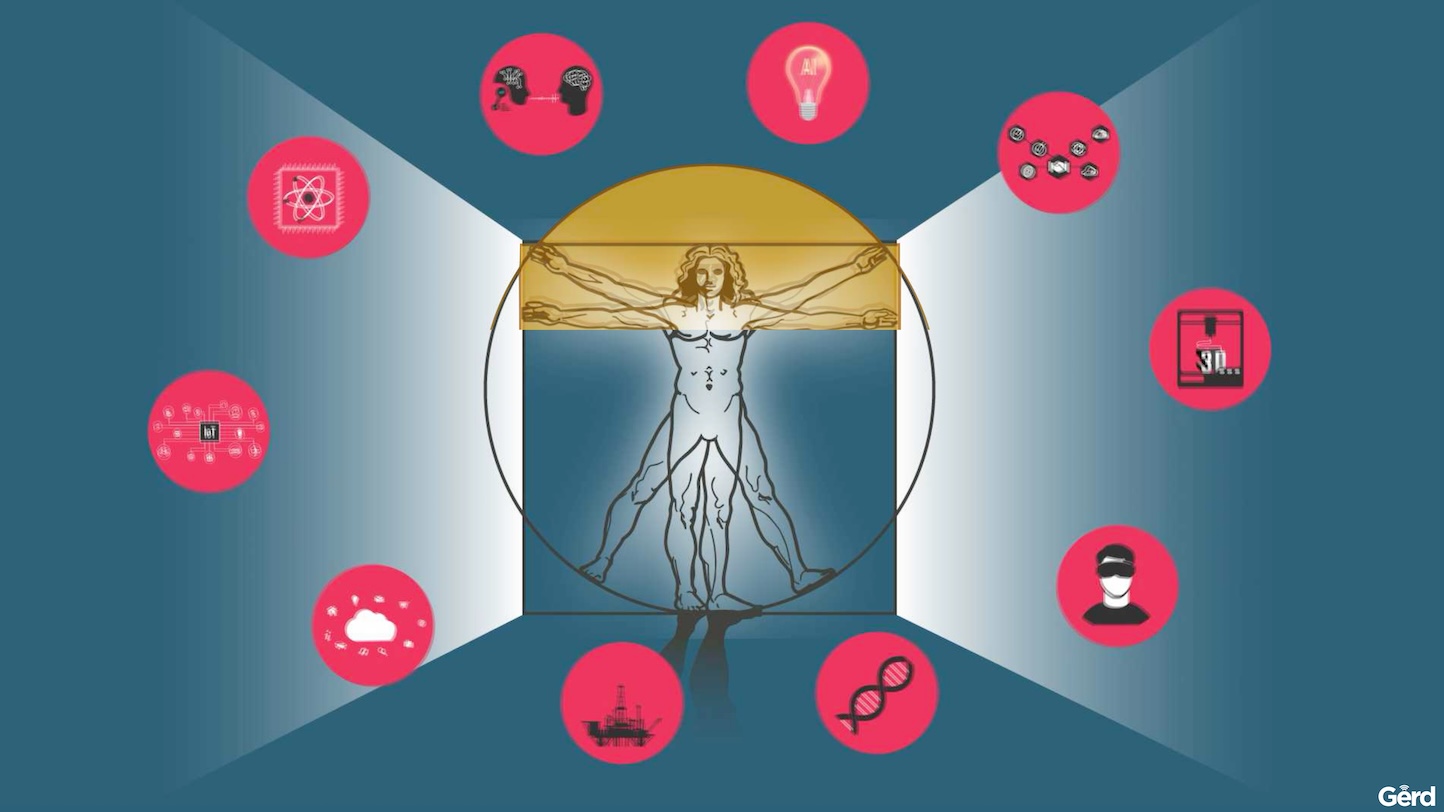
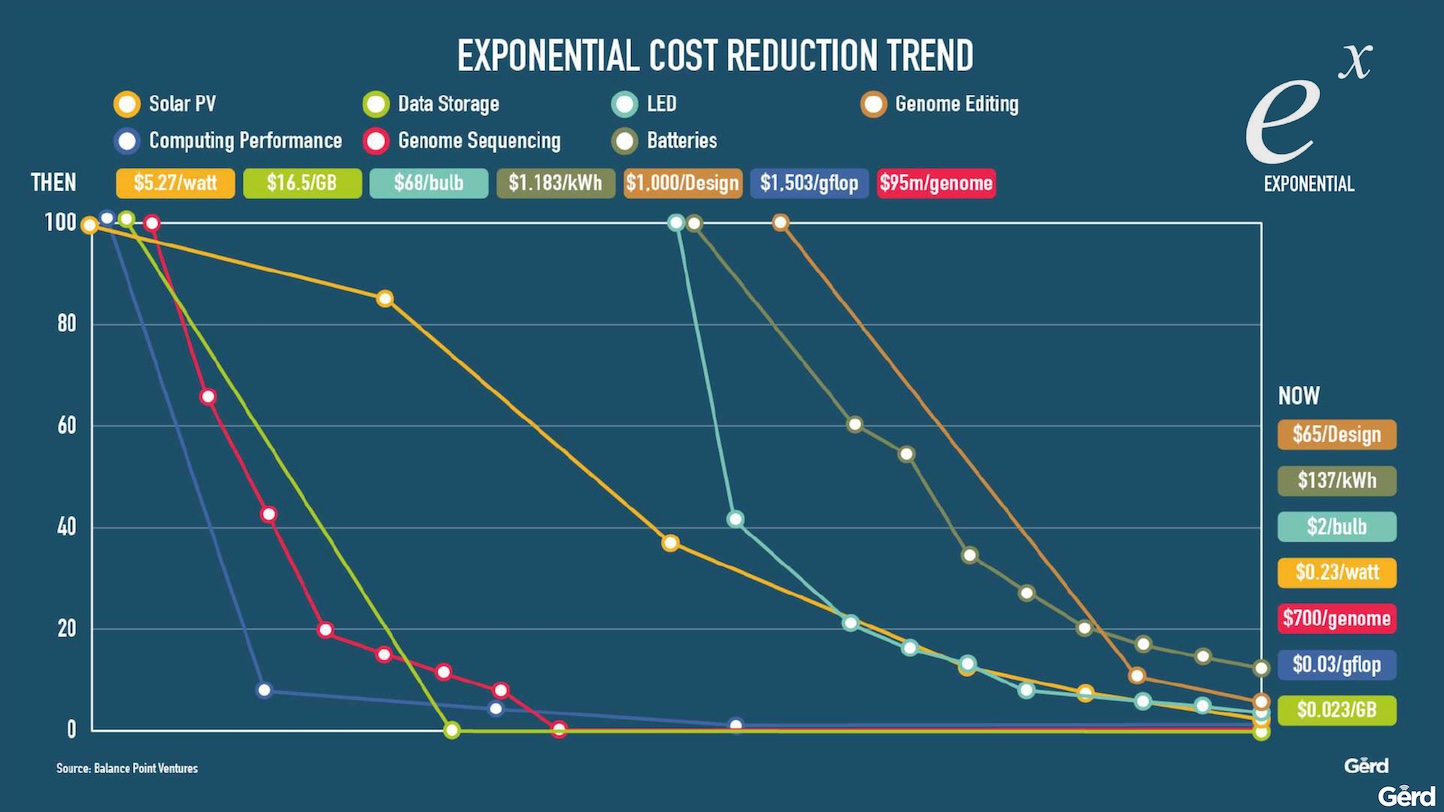
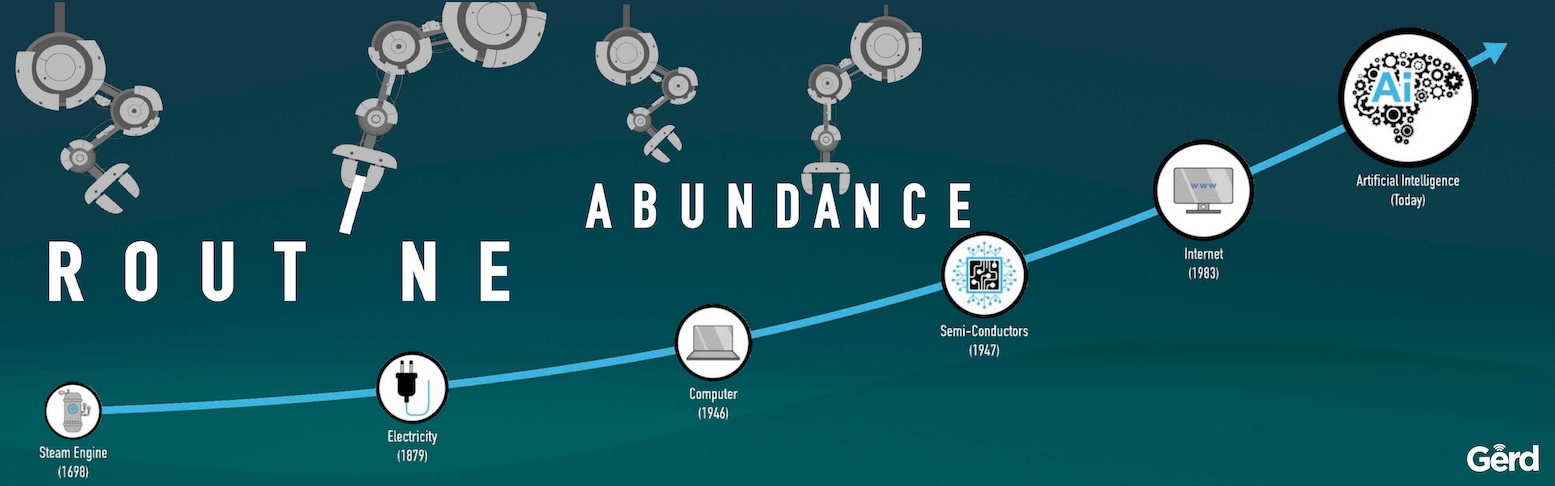
We are now racing into a hyper-exponential future. If you take 30 linear steps, you walk 30 meters. But 30 exponential steps will take you 26 times around the world. AI is now doubling its capabilities every 3 months – not just every 18 months (Moore’s Law). And this is just the beginning.
 Because of this explosive pace, we cannot keep relying on the traditional paradigm of “just-in-case” learning—downloading databases of information and business cases into our brains just in case we need them later. By the time we graduate, the reality has completely changed and those cases are no longer true. We must shift to just-in-time learning, and master the art of learning, unlearning, and relearning.
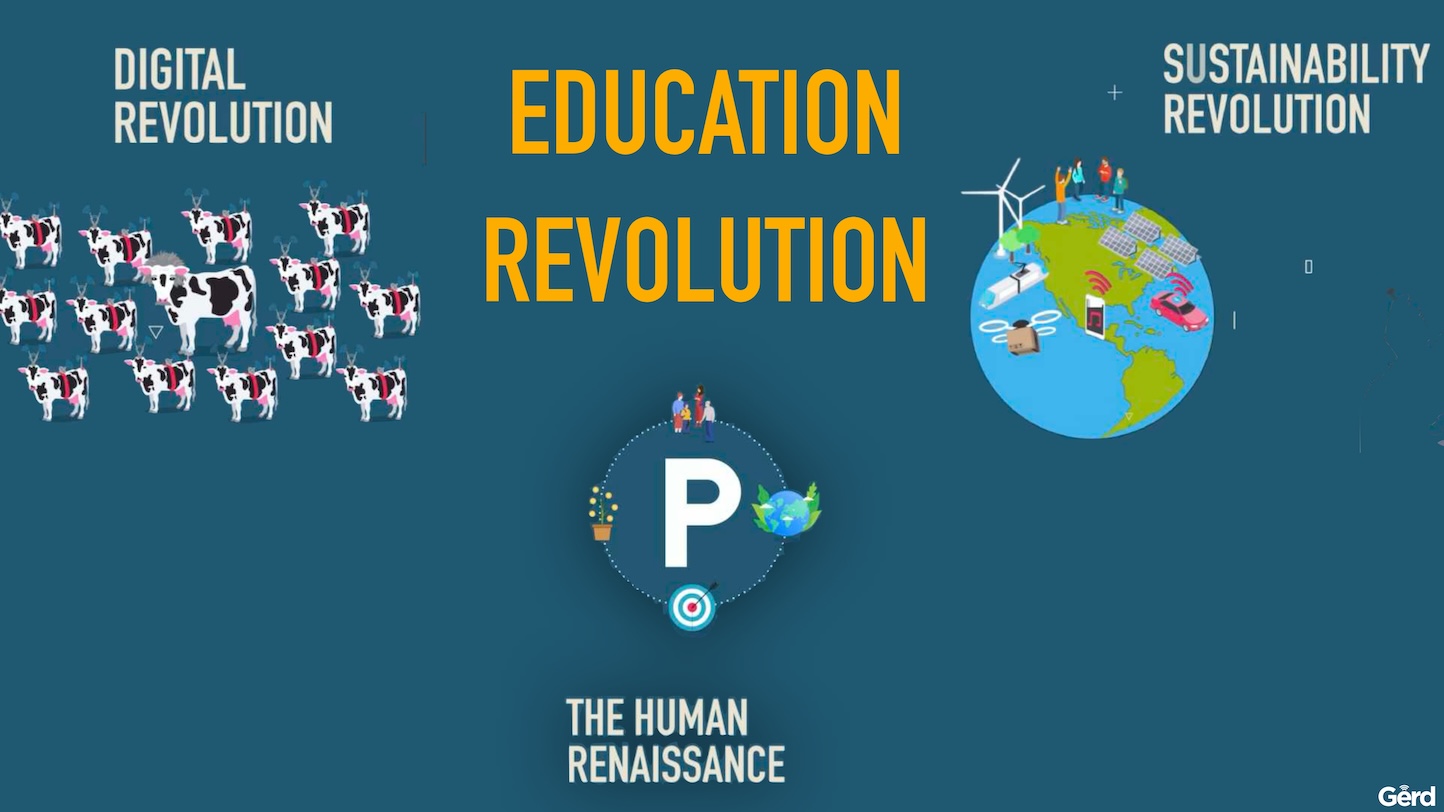
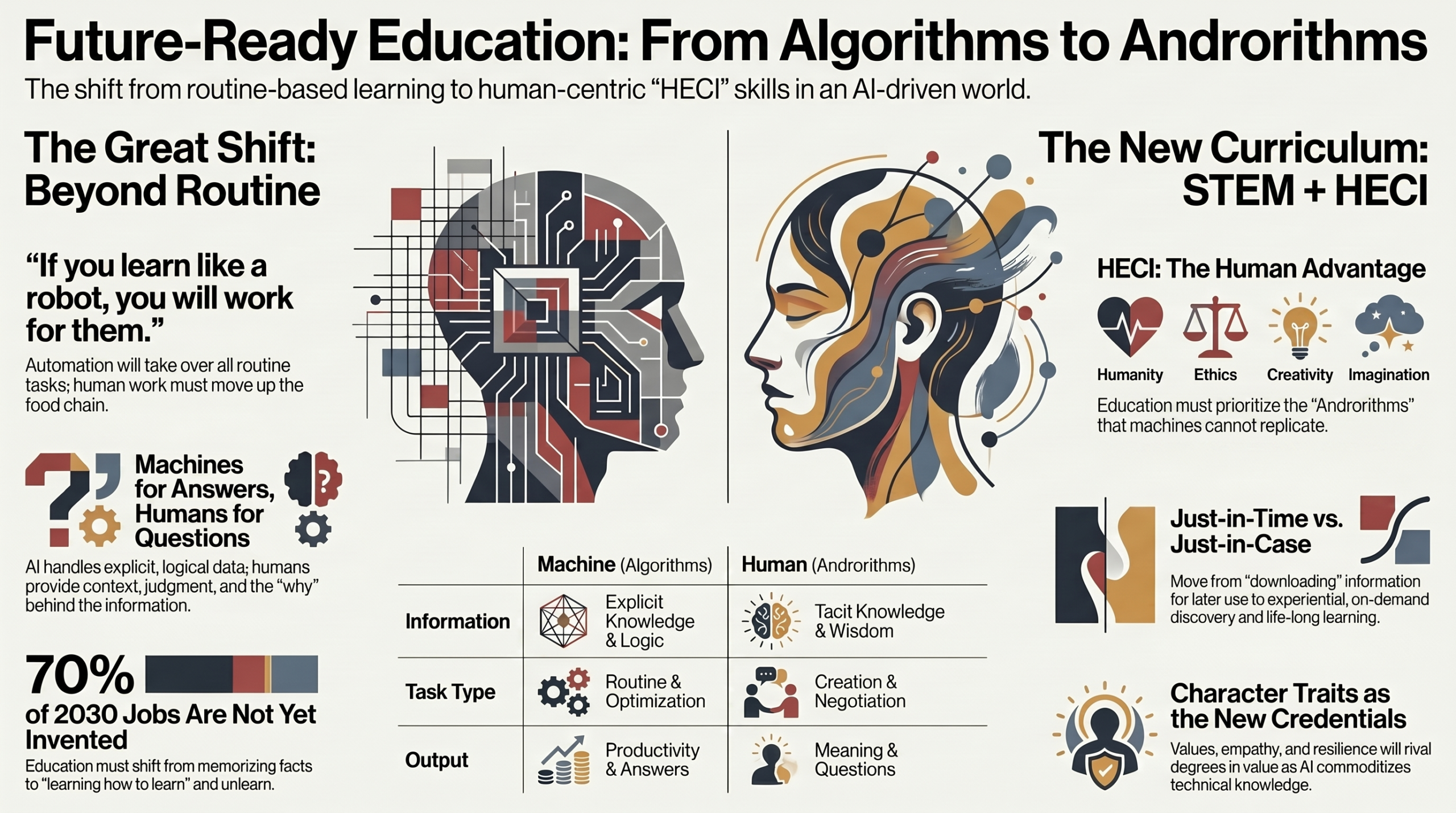
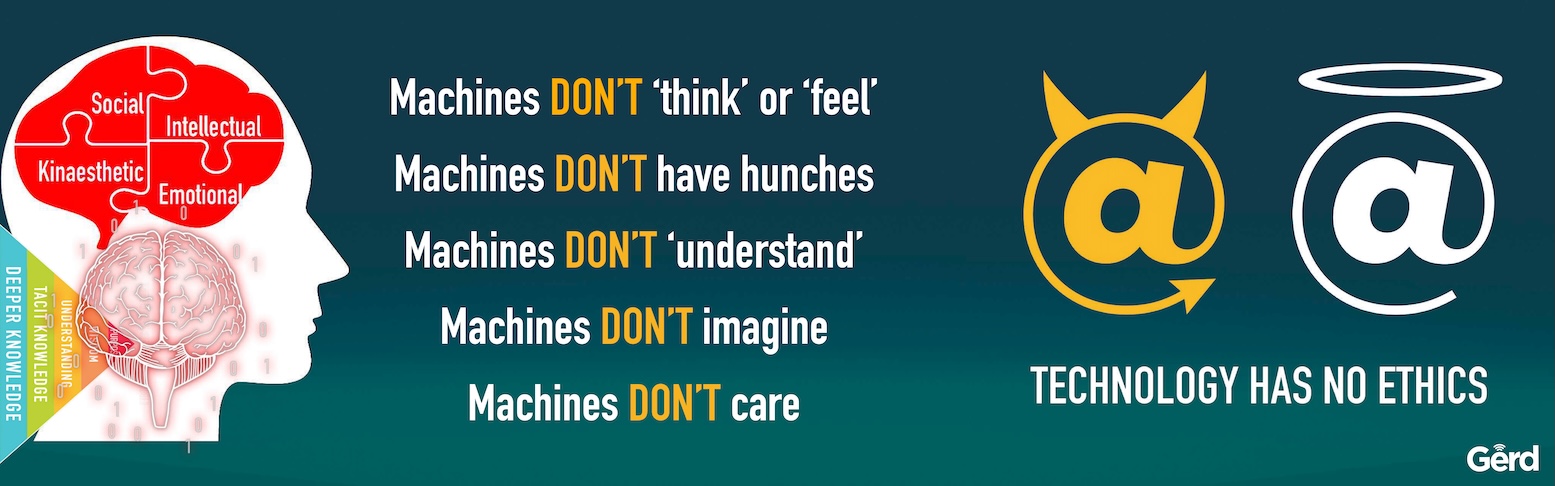
This is why I advocate so passionately for a critical shift in what and how we teach. We must train equally in STEM (Science, Technology, Engineering, Math) and what I call HECI (Humanity, Ethics, Creativity, and Imagination (see my 2016 book Technology vs Humanity). Machines are incredibly smart, but they do not understand. IBM Watson can memorize the entire library of philosophical writings in two minutes, but that does not make it a philosopher. Computers are for answers; humans are for questions.
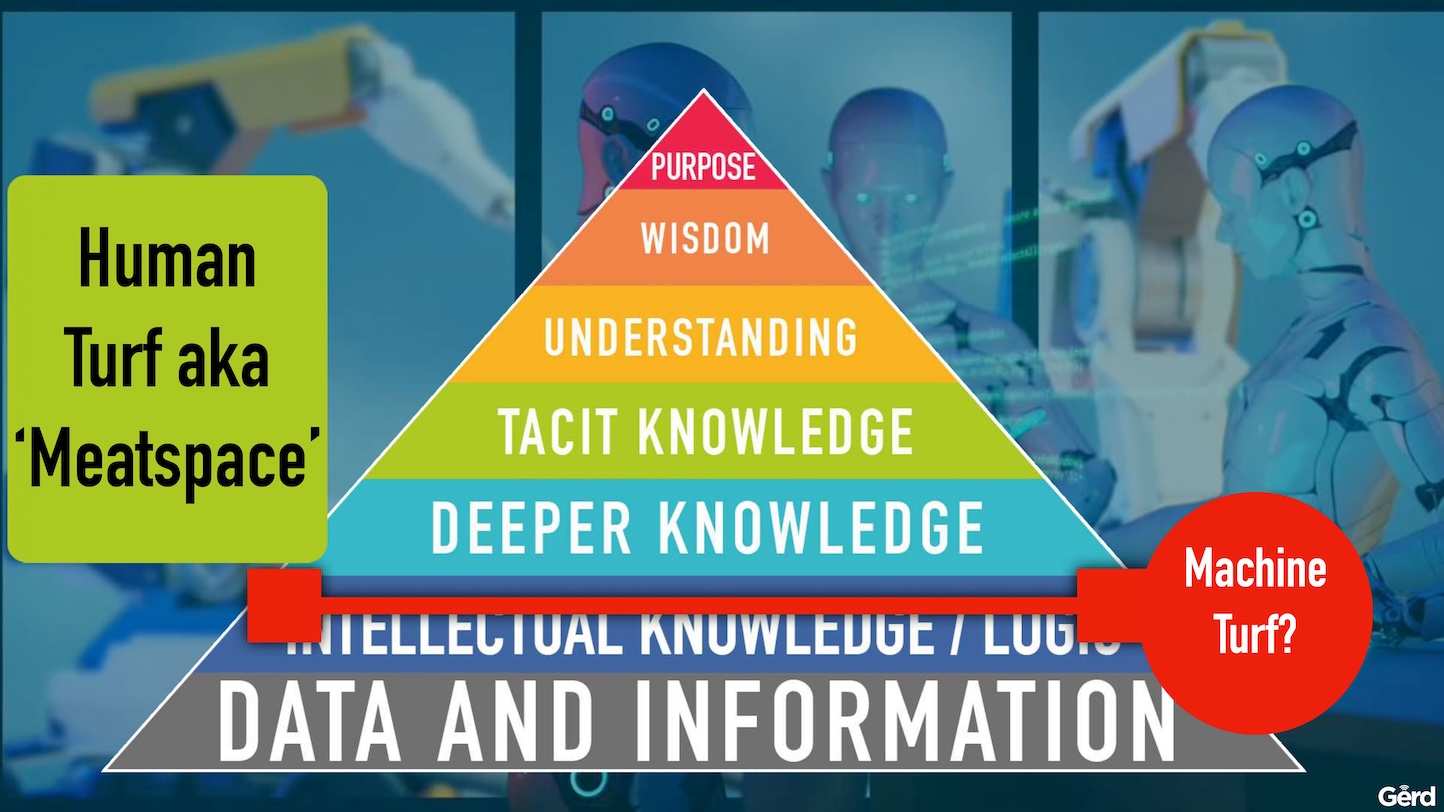
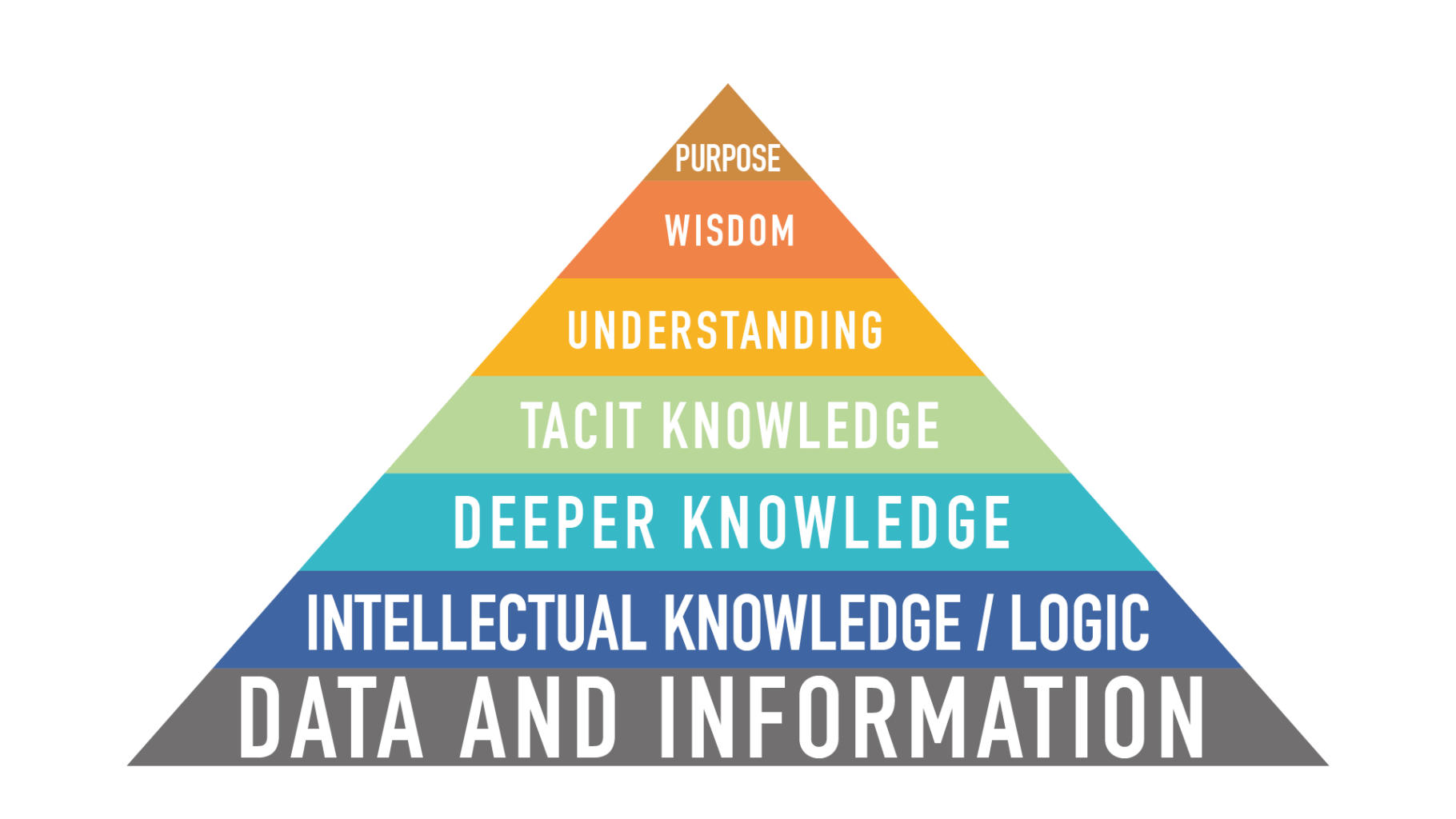
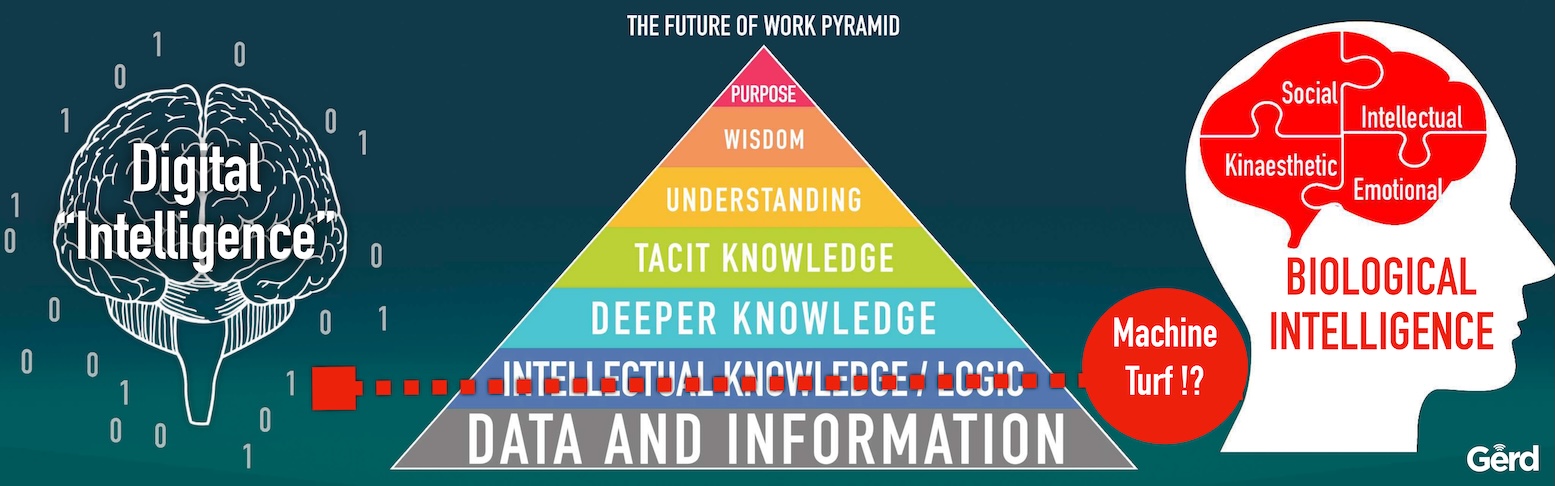
This brings us to my favourite concept: Androrithms—the human equivalents of algorithms. While machines may increasingly take over the routine, codifiable, explicit knowledge work at near-zero marginal cost, we must move up the knowledge pyramid to focus on what makes us uniquely human: tacit knowledge, wisdom, empathy, intuition, and consciousness. Real life is beyond data; algorithms know the value of everything but the feeling of nothing.
We must build The Good Future around these five pillars: People, Planet, Purpose, Peace, and Prosperity. To achieve this, we must never put efficiency over humanity. I urge you to spend 25 to 45 minutes every single day reading, studying, and thinking about what is coming next. If you do this, you will develop a future mindset and become the architect of your own future, rather than its victim. Stay optimistic, stay creative, and remember: let’s use technology to rehumanize education, not dehumanize further using AI.
Here is a podcast on my past keynotes on the Future of Education, generated by NotebookLM… Pretty cool:)
VIDEO
Explicit knowledge – the simple, logical, lookup-able kind – is becoming abundant, instant, and nearly free. But context, judgment, wisdom, empathy, creativity, intuition and imagination remain uniquely valuable. These are what I call the Androrithms: the uniquely human qualities no algorithm can truly replicate. Yes, sure, AI can simulate them… increasingly well. Another challenge ahead of us.
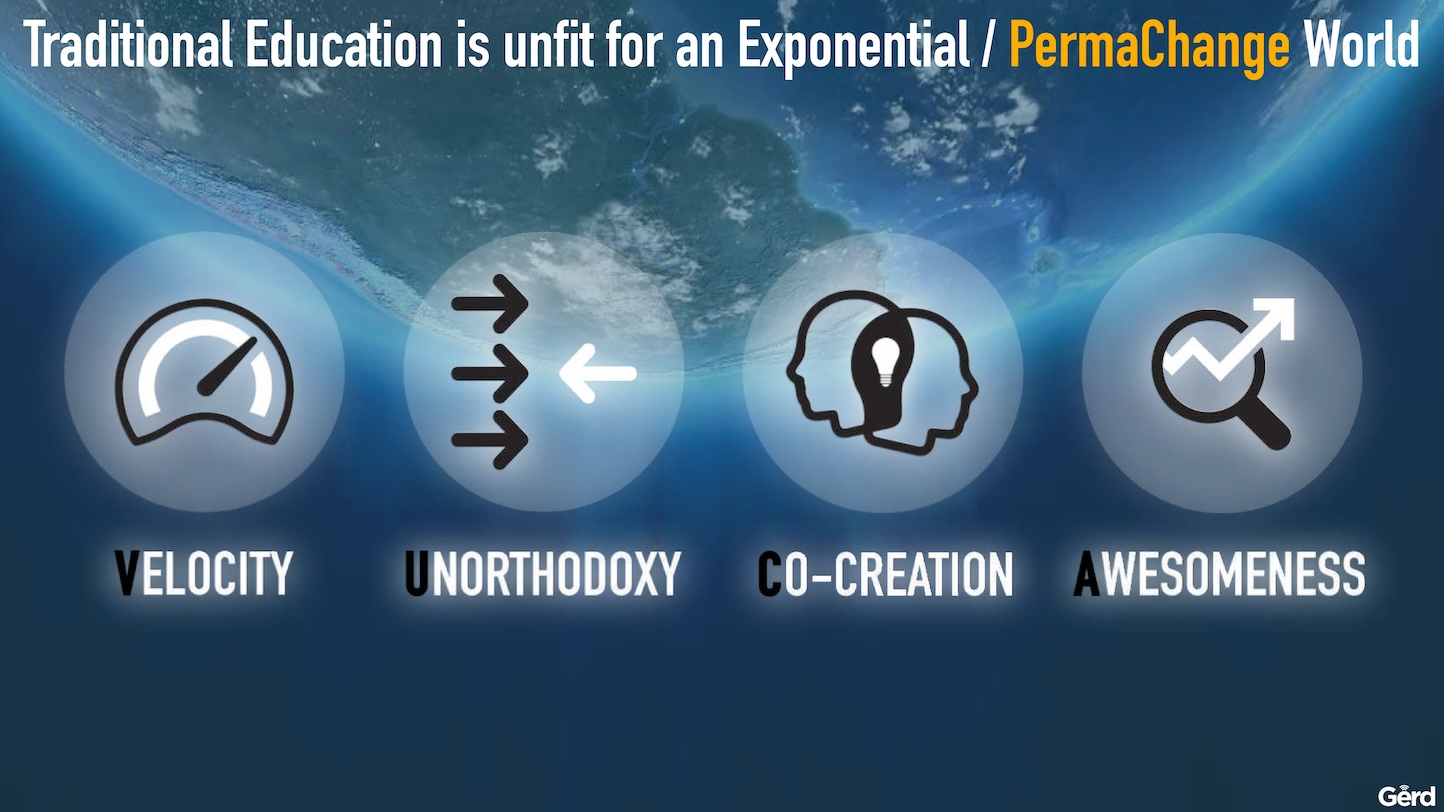
For too long, education has been about standards, testing, and memorization, downloading information “just in case” we might need it someday. But the world we’re heading into – the era of AI and the Intelligence Revolution – asks for something else entirely: the ability to think critically, adapt continuously, collaborate, and navigate complexity with purpose, and unfettered creativity. Education as we know it simply isn’t built for this.
So I see education shifting from a system of content delivery to a platform for human development. Schools and universities have to become places that cultivate curiosity, values, emotional intelligence, and the capacity to make meaning. Technology gives us access, efficiency, and personalization – but it can’t replace the essence of what makes us human.
Gallery